
Doctor of Philosophy in Education
Explore the Doctor of Philosophy in Education at RIUOB, including education research, curriculum information, program highlights, and admissions.
ADMISSIONS INFORMATION
Contact Admissions
Confirm current intake dates with the university.DURATION
Program Specific
Review the selected program for study requirements.PROGRAM FEE
Confirm Current Fees
Contact the university for payment details.INTENDED FOR
Review the selected program’s eligibility information.
Programme Overview
Our PhD in Education helps you grow deep research skills, sharp judgment, strong ethics, while shaping future leaders in teaching. Built on ideas and real study work, it covers how people learn, what goes into school plans, the mind behind learning, rules that shape schools, plus how to guide change in education. You come out ready for jobs at colleges, think tanks, government groups, advising firms, or leading teams where learning happens.
A fresh start means building up from basic ideas toward deeper exploration in teaching and learning. Starting out, students get familiar with how schools work, ways to study them, and what shapes lessons. Later on, thinking sharpens through real problem solving, looking at rules that guide education, testing strategies, plus digging into numbers and stories behind data. By the later years, attention turns to creating new solutions, shaping better policies, and using research where it matters most - inside classrooms and systems.
When needed, hands-on experience comes through real cases, written work, and guided research. Learning shifts based on what each situation demands. Projects dive into actual problems instead of staying abstract. Fieldwork grounds ideas in reality. Presentations help shape thinking clearly. Writing builds depth over time. Theory links tightly with doing. Knowledge sticks better when used actively. What students learn fits both study and career settings.

Goals and Objectives
Growth follows where effort is aimed. Purpose shows up in small measures over time
- A goal here links to another there, forming steps one after the next.
- Start with how kids learn best when teachers understand classroom patterns. A solid base means seeing schools as living spaces where ideas grow slowly.
- Money matters shape schools more than most admit. What kids learn ties back to jobs, wealth gaps, outside pressures.
- Starting with fairness, shape choices that respect others in classrooms and studies.
- Finding better ways to talk with others starts when teachers learn how people work together.
- Learning how to dig into topics comes first. Research abilities grow through practice over time.
Criteria of Admission and Eligibility
Eligibility Requirements
- A graduate qualification in teaching - or something close to it - earned at an accredited place of learning.
- Curiosity about guiding students lights some paths.
- Folks stepping into class ought to get by just fine with everyday English skills since that’s what lessons run on.
- Ready to jump into studies, school tasks, yet grow skills on the job.
Doctor of Philosophy in Education Highlights
Build business, leadership and management skills for today's global marketplace.
Complete Education Curriculum
Focusing on key topics such as how lessons are taught, shaping school programs, understanding how students think, gathering evidence through study techniques, also handling schools effectively.
Foundation
Industry-Relevant Learning
Starting from how schools actually work, it fits around existing rules and structures. Built not by theory but shaped through what institutions really require.
Industry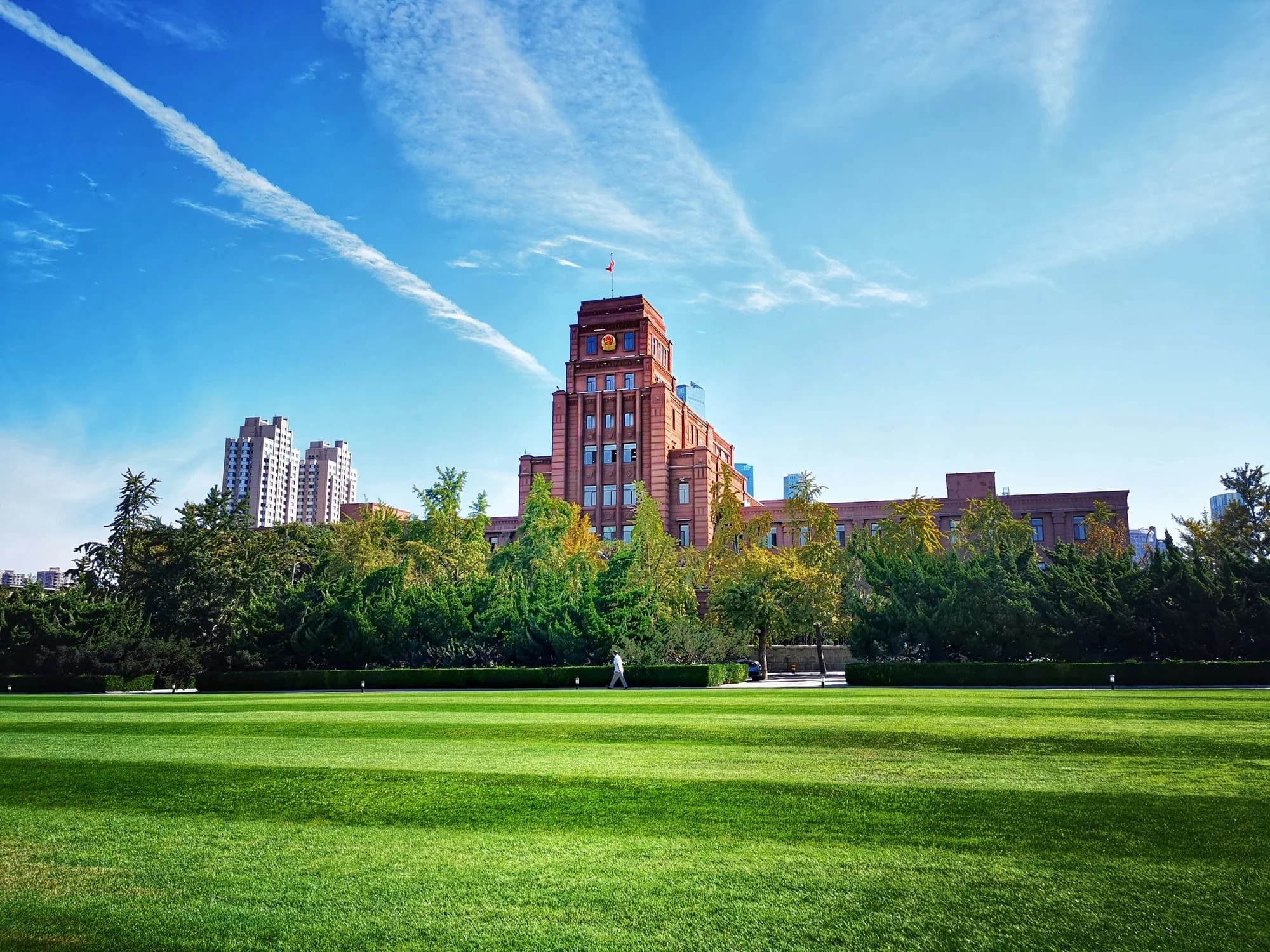
Research Informed Methods And Real World Examples
Start by digging into real classroom challenges instead of theories alone. Look closely at how students react when new methods are tried out there.
Career
Research with Hands On Experience
Finding your footing in actual classrooms while diving into study work opens doors.
Leadership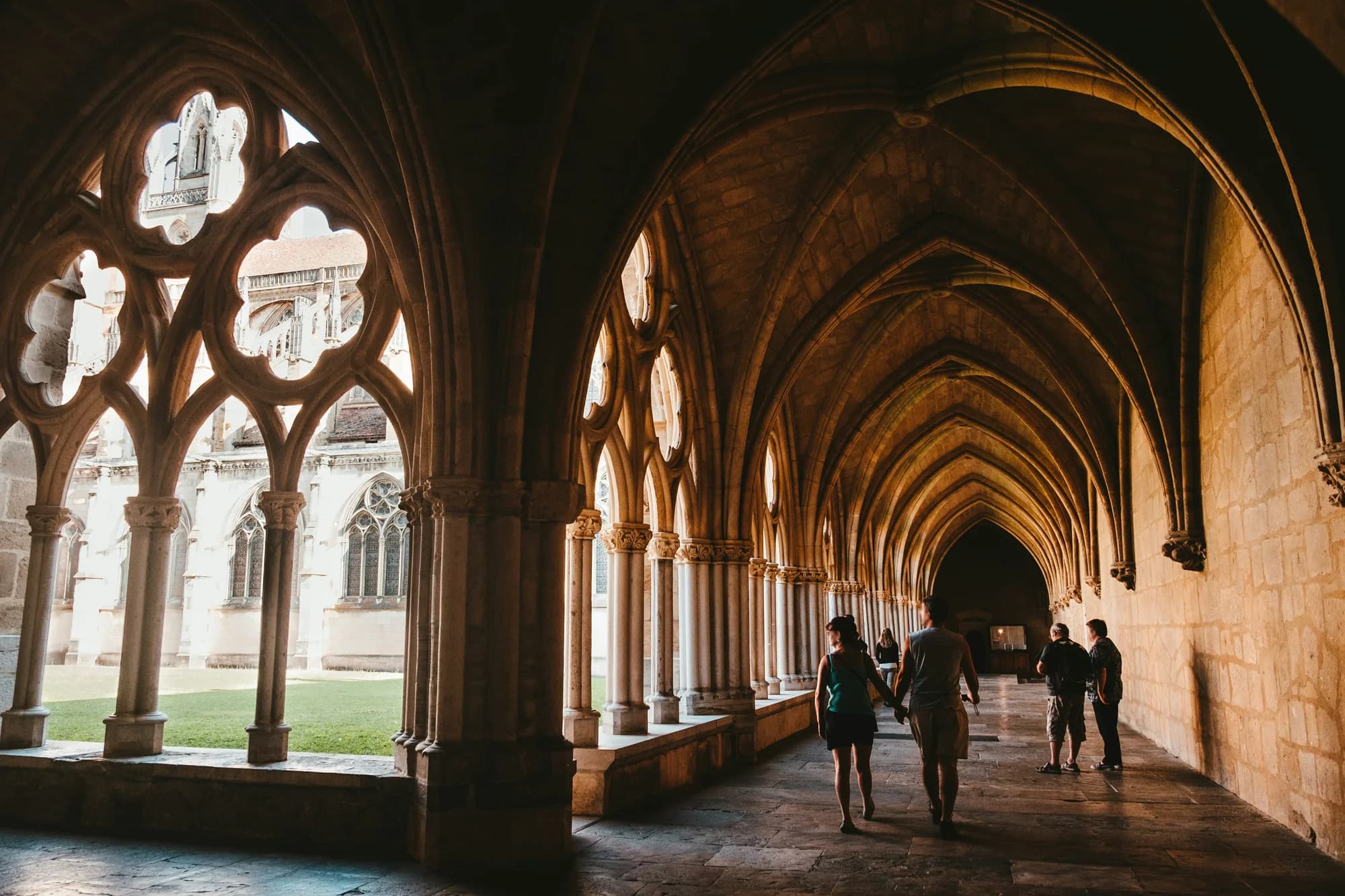
Pathway for Higher Education
Firm grounding for those heading into academia, followed by doctoral work, then deeper exploration in specialized fields.
Global
Skill Development Orientation
Start by sharpening how you gather information, then shape it into clear ideas. One step leads to stronger judgment through practice over time.
GrowthFrequently Asked Questions
Most folks wrap up the program in anywhere from three to five years, just depends how they’re taking classes.
Maybe shaping how schools work feels meaningful. Some dive into study after study, building knowledge piece by piece.
A postgraduate qualification in teaching - or something close - tends to be necessary.
Starting off, there's a look at how people learn in schools. Then comes ways teachers help students understand things better. One part digs into what motivates learners inside classrooms.
Finding answers drives some learners forward through hands-on tasks.
CResearch abilities grow alongside sharper thinking through practice. Teaching methods become clearer the more you apply them. Academic writing strengthens with consistent effort over time.
Semester 1
| Code | Course Title | Type | Cr |
|---|---|---|---|
| Phd 101 | Introduction To Educational Research | Core | 4 |
| Phd 102 | Educational Psychology | Core | 4 |
| Phd 103 | Curriculum And Instruction | Core | 4 |
| Phd 104 | Research Methods in Education | Core | 4 |
| Semester Total | 16 | ||
Semester 2 - SPECIALISATION
Pick a single path - sixteen credits required. One course sets the direction, credit count stays fixed at sixteen
| Phd 201 | Advanced Research Methods | 4 |
| Phd 202 | Educational Leadership And Management | 4 |
| Phd 203 | Education Policy And Planning | 4 |
| Phd 204 | Assessment And Evaluation In Education | 4 |
| Phd 205 | Learning Theories And Practices | 4 |
| Phd 206 | Academic Writing And Publication | 4 |

Enquire Now Get in Touch
Loading blogs...

Stay Informed
Subscribe to Our Newsletter
Get the latest research, campus news, and in-depth articles delivered directly to your inbox every week.